
Blog and announcements
Astrobiology and the relentless search for life in our neighbourhood
CACP
Astrobiology. Text: Fernando Freire; review: Gabriel Martins. In the current view, astrobiology is understood as a field of research dedicated to studying the origin, evolution, distribution…
Astrobiology
Text: Fernando Freire;
Review: Gabriel Martins.
Astrobiology, in the current view, is understood as a field of research dedicated to studying the origin, evolution, distribution and future of life, whether on Earth or beyond it. In this way, some of the main questions that astrobiologists try to answer are: "How did life originate on Earth?". Astrobiology proposes a convergent approach from different disciplines, based on the techniques and rigour of modern science for these questions, which are only the beginning for a better understanding of the phenomenon of life in the universe and have been asked by humanity for millennia.
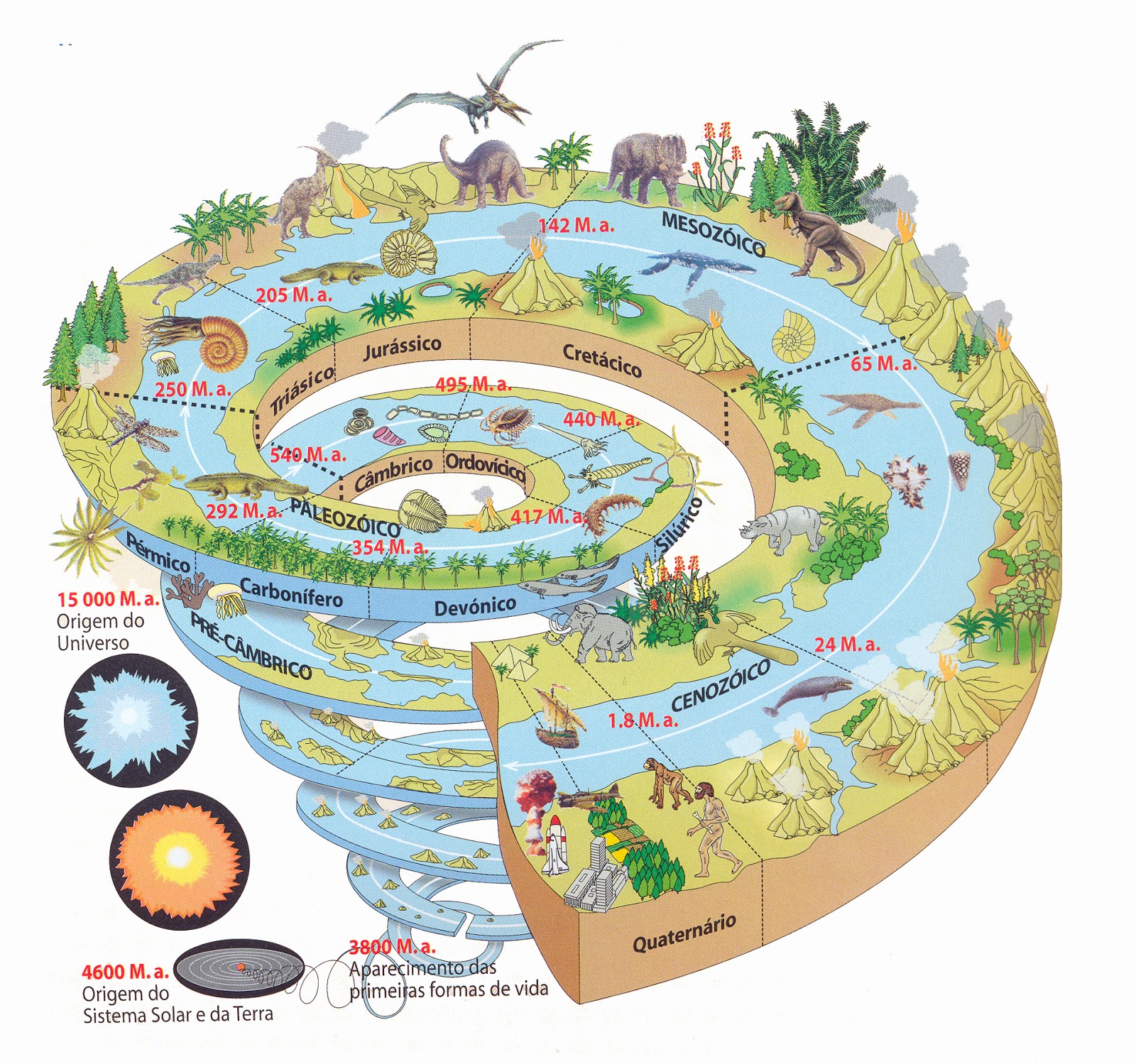
To understand the origin of life and the possibility of extraterrestrial life it is necessary to use a well-known example as a comparison. In this way, astrobiology relies heavily on the understanding of life on Earth. Through this approach, astrobiology also guides us in the search for which organisms are most likely to exist in other environments and how to detect them.
The advance of technology, throughout the history of humanity, allowed more detailed studies about our planet, increasing our knowledge about natural processes, a fact that happened in several areas of science, including astrobiology. Several historical facts culminated, even in ancient Greece, in discussions about life outside the Earth, however, there was not even a deep knowledge about the planets of our Solar System. Nevertheless, with the arrival of telescopes in the 16th century, the first scientific and systematic studies about these bodies were made possible. Even if very rudimentary compared to those of today, these studies were essential to encourage new generations of scientists and inventors to advance in the subject.
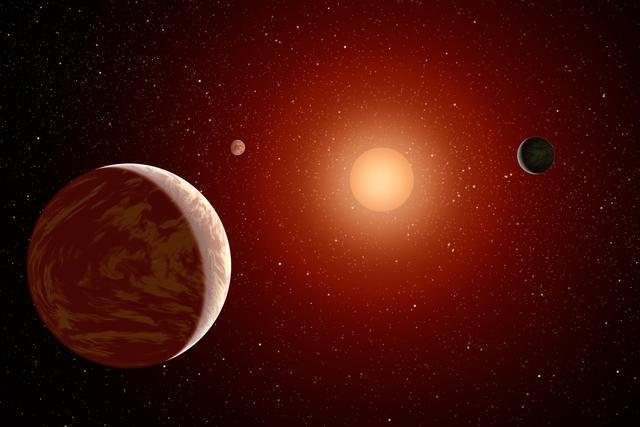
From the knowledge acquired with these advances, modern astrobiology was an advance starting from exobiology which, in turn, cannot be understood in a way disconnected from history.
Approach and themes addressed by Astrobiology
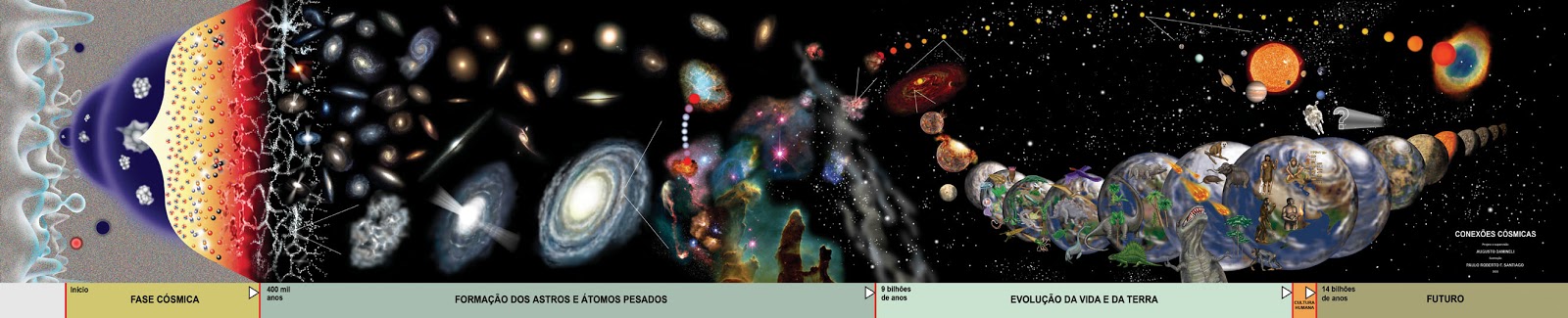
In general, astrobiology proposes to understand life from a rather broad point of view, considering the various interactions with the planetary body that groups it and with its astrophysical environment. The understanding of life in the Universe - its origin, evolution and eventual end - is a theme that necessarily requires the contribution of researchers for us to decipher the subtle and complex signs of life. If we really want to understand life in this great context, it is necessary that we create strategies to increase communication and collaboration between areas.
Missions in search of Life
Missions made especially to search for life include the Viking programme and the Beagle 2 probes, both on Mars. The results of the Viking programme were inconclusive and the Beagle 2 probes failed to transmit data to the control on Earth, so it is likely that they broke on martian soil. A future mission with an important astrobiological role would be the Jupiter Icy Moons Orbiter, planned to study the frozen moons of Jupiter, since some of them may have liquid water, but the mission was cancelled. Recently, in 2008, the Phoenix spacecraft probed the surface of Mars in search of evidence of present or past microscopic life and of a possible history of the presence of water there.
A particular focus of modern astrobiology is the search for life on Mars because of its spatial proximity and its geological history. There is a growing body of evidence suggesting that Mars formerly had a considerable amount of water on its surface, water being an essential resource for carbon-based life. However, recently, the search for life may have had its focus diverted to another object...
NASA scientists confirm water vapour on Europa
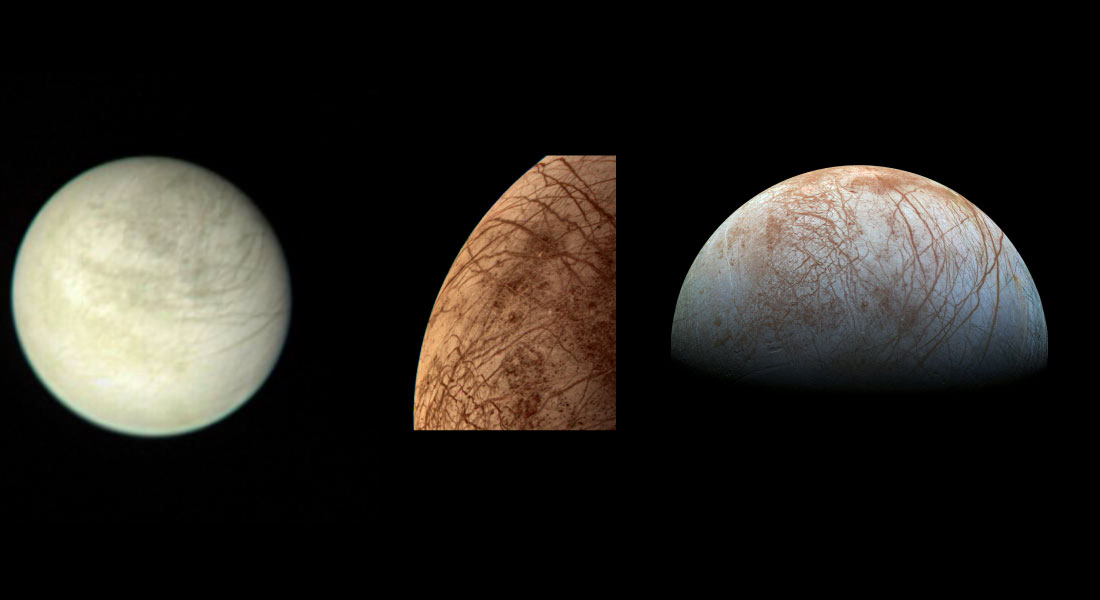
What makes this moon so attractive is the possibility of possessing all the ingredients necessary for life. Scientists have evidence that one of these ingredients, liquid water, is present beneath the icy surface and can sometimes erupt into space in enormous geysers. But no one had managed to confirm the presence of water in these plumes by directly measuring the water molecule itself. Now an international research team led by NASA's Goddard Space Flight Center in Greenbelt, Maryland, has detected water vapour for the first time above the surface of Europa. The team measured the vapour observed at Europa through one of the largest telescopes in the world in Hawaii.
Confirming that water vapour is present at Europa helps scientists to better understand the internal workings of the moon. For example, it helps to sustain an idea, of which scientists are confident, that there is an ocean of liquid water, possibly twice as large as the Earth's, beneath the ice shell of this moon. Another source of water for the plumes, some scientists suspect, could be shallow reservoirs of melted ice not far below the surface of Europa. It is also possible that Jupiter's strong radiation field is stripping water particles from Europa's ice shell, although recent research has argued against this mechanism as the source of the observed water.
They used a spectrograph at the Keck Observatory that measures the chemical composition of planetary atmospheres through the infrared light that they emit or absorb. Molecules such as water emit specific frequencies of infrared light as they interact with solar radiation and thus we evidence this interaction and confirm their presence.
Sources:
-
SHEKHTMAN, Lonnie (Ed.). **NASA Scientists Confirm Water Vapor on Europa. **2019. Available at: https://www.nasa.gov/feature/goddard/2019/nasa-scientists-confirm-water-vapor-on-europa. Accessed: 29 Nov. 2019.
-
GALANTE, Douglas; RODRIGUES, Fabio; AVELLAR, Márcio G. B. (Ed.). **Astrobiologia: **Uma ciência convergente. 2019. Available at: https://sab-astro.org.br/sab/rba/. Accessed: 29 Nov. 2019.